

In the bustling world of modern manufacturing and warehousing, the heartbeat of operations often resides within the movement of forklifts. For years, managing these vital machines involved a blend of guesswork and reactive measures. But today, thanks to the remarkable evolution of forklift telematics systems, that era is rapidly becoming a distant memory. These advanced systems, powered by IIoT sensors and intelligent analytics, now offer an unparalleled window into daily fleet activity, empowering managers to make smarter, real-time decisions that drive efficiency, bolster safety, and cut operational costs. It’s a fundamental shift, moving us closer to a future where every lift and every movement is optimized for peak performance and safety.
For a deeper understanding of how real-time location systems (RTLS) enhance forklift tracking and improve warehouse efficiency, check out our comprehensive guide on forklift tracking.
According to industry studies, businesses using forklift telematics report up to a 30% reduction in operational costs while simultaneously achieving increased workplace safety, and productivity and efficiency.
What Are Forklift Telematics Systems?
Imagine a digital nervous system for your forklift fleet – that’s essentially what forklift telematics systems are. At their core, these solutions combine sophisticated sensors, GPS, UWB (Ultra-Wideband), LIDAR, and weight detection technologies with powerful software integrations. Their mission? To continuously monitor and manage every aspect of forklift operations. Think of it as giving each forklift its own personal assistant and a detailed operational log, all rolled into one.
These systems tirelessly collect real-time data on everything from a forklift’s precise location and performance metrics to the nuances of operator behavior. By capturing this rich tapestry of information, from how much distance a forklift travels to its exact load handling, managers gain an unprecedented level of visibility.
This invaluable data empowers them to make informed decisions swiftly, optimizing efficiency and safety without the need for expensive, time-consuming manual studies. It’s a transformative approach to forklift fleet management, moving from reactive problem-solving to proactive, data-driven optimization.
How Forklift Telematics Systems Work: A Deep Dive into Real-Time Fleet Management
Peeling back the layers, understanding how forklift telematics systems operate reveals a fascinating blend of hardware and software intelligence. It’s a symphony of data collection, transmission, and analysis designed to paint a comprehensive picture of your fleet’s daily life.
a. Underlying Technology: Sensors, GPS, and UWB Powering Insights
The magic begins with an array of cutting-edge sensors. These include GPS for outdoor positioning, and crucially, UWB (Ultra-Wideband) for centimeter-level, high-accuracy indoor positioning – a game-changer in complex warehouse or manufacturing environments where traditional GPS falters.
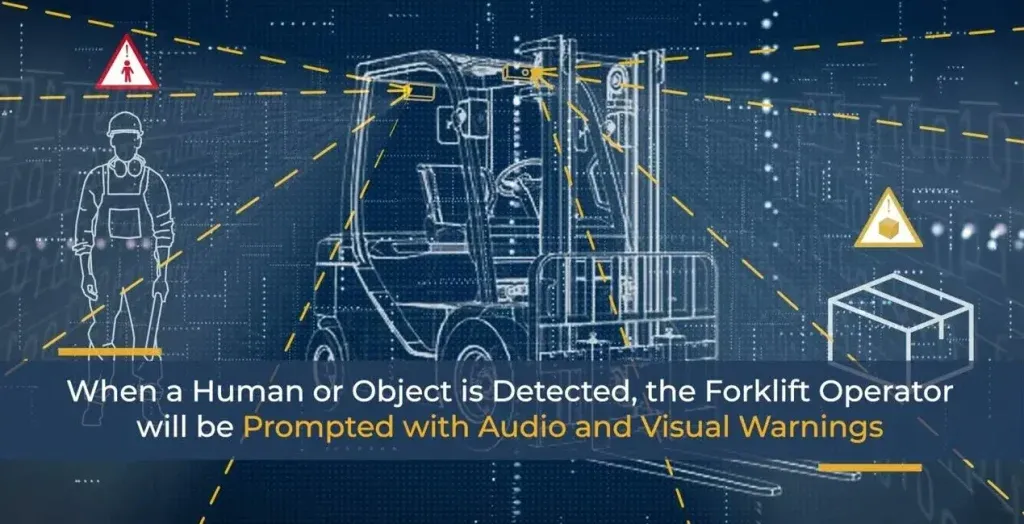
LIDAR sensors assist with collision avoidance, while weight sensors monitor load distribution, preventing dangerous tipping hazards. All these IIoT sensors are constantly gathering raw data – engine performance, speed, load status, fuel consumption, and even impact events. This is the bedrock of forklift telemetry, capturing the pulse of each machine.
b. Workflow in Action: Tracking, Monitoring, and Analyzing Forklift Activity
Once collected, this data isn’t left in a silo. It’s transmitted in real-time, often to a secure, cloud-based management system. Here’s where the insights truly emerge:
- Location Tracking: Managers can pinpoint forklift positions, offering real-time forklift tracking and forklift location tracking within the facility. This helps monitor routes and identify bottlenecks.
- Performance Monitoring: The system tracks crucial metrics like engine usage, acceleration, braking, and load handling, revealing operational patterns.
- Operator Behavior: It meticulously monitors how operators handle equipment, identifying adherence to safety protocols or areas for training.
- Data Analysis: The collected data is then visualized on custom dashboards, allowing managers to track key performance indicators (KPIs) and configure alerts for any anomalies. This transforms raw data into actionable insights, enabling swift decisions that improve efficiency and safety across the entire fleet.
This seamless flow of information ensures that every operational detail is captured and analyzed, turning mundane tracking forklift activity into a strategic advantage.
Why Forklift Telematics Is Crucial for Modern Industrial Operations
In an era defined by rapid digitalization, the integration of forklift telematics systems isn’t just an upgrade; it’s a strategic imperative. These systems are pivotal in solving critical pain points, driving businesses towards the grand vision of Industry 5.0 and Smart Factories.
a. Enhancing Efficiency in Manufacturing and Warehousing
The industrial landscape demands unparalleled efficiency, and telematics delivers precisely that. By offering real-time forklift tracking and insights into traffic flow, these systems enable dynamic task assignment, allowing facilities to adapt to demand surges without missing a beat.
They help optimize lift truck routes, minimizing idle time and unnecessary movements, thus directly contributing to improved manufacturing process optimization and workflow efficiency. This moves us closer to AI self-optimizing systems where processes constantly refine themselves.
b. Boosting Safety and Compliance in High-Traffic Zones
Workplace safety is paramount, especially where heavy machinery operates alongside personnel. Telematics significantly enhances this by implementing advanced geofencing features, automatically enforcing operational rules in sensitive areas like loading docks or pedestrian corridors.
Features such as collision warning systems and automatic forklift slowdowns when proximity thresholds are breached are fundamental to RTLS forklift safety. These proactive measures drastically reduce the risk of accidents and ensure compliance with safety protocols, aligning with Industry 5.0’s human-centric focus.
c. Driving Smart Factory Initiatives with Real-Time Data
The vision of a Smart Factory hinges on interconnected systems and data-driven intelligence. Forklift telematics systems are a cornerstone of this vision. By integrating seamlessly with other operational platforms like WMS (Warehouse Management Systems), ERP (Enterprise Resource Planning), and MES (Manufacturing Execution Systems), they enable end-to-end fleet management.
This holistic view provides real-time data from various IoT sensors, fostering a truly intelligent automation environment where decisions are informed by a continuous stream of operational insights. This robust data security, critical for any smart factory, becomes a top priority as these systems become more interconnected.
Core Benefits of Forklift Telematics: Unlocking Operational Excellence
The adoption of forklift telematics systems translates into a cascade of tangible benefits, fundamentally transforming how fleets are managed and how businesses operate. Industry studies confirm its impact, showing up to a 30% reduction in operational costs while simultaneously boosting safety and productivity.
a. Reduced Operational and Maintenance Costs
Telematics is a shrewd investment for cost savings. By optimizing routes and minimizing idle time, fuel and energy consumption see a significant reduction, offering both financial and environmental benefits.
Also, these systems enable predictive maintenance for lift trucks. Using historical data paired with real-time machine diagnostics, potential issues are identified before they escalate into costly breakdowns, extending equipment lifespan and ensuring maintenance is scheduled based on actual usage, not fixed intervals.
b. Enhanced Safety and Accident Prevention
This is where telematics truly shines. Beyond collision warning systems and geofencing for restricted zones, the ability to monitor and enforce speed limits, and even trigger forklift slowdowns when workers or other forklifts are too close, creates a significantly safer environment.
RTLS forklift safety features, coupled with instant incident reporting, provide crucial context for root-cause analysis, paving the way for targeted corrective actions and a substantial reduction in accidents.
c. Optimized Resource Utilization and Productivity
No more underutilized assets or wasted shifts. Forklift telematics provides deep insights into usage trends, allowing managers to balance workload allocation, rotate equipment, and even consolidate redundant units. This real-time demand visibility across zones also aids in planning staffing levels and shift assignments, ensuring optimal forklift fleet management and preventing excessive wear on specific machines.
d. Real-Time Data and Actionable Analytics
With custom dashboards, managers can monitor fleet performance from anywhere, instantly. The system tracks Key Performance Indicators (KPIs) and can be configured to highlight underperforming units or operators needing additional training. This constant stream of real-time location data and operational metrics empowers truly data-driven decision-making, moving beyond assumptions to informed action.
e. Smarter Power Management and Load Handling
These systems go beyond tracking; they actively manage. Telematics can automatically switch electric forklifts to energy-saving modes during inactivity, significantly minimizing energy consumption.
Furthermore, integration with load sensors helps detect not only excess weight but also improper load distribution, preventing tipping hazards and extending forklift lifespan. Every impact event is logged with full context – direction, speed, and operator ID – for thorough analysis. This attention to detail defines forklift power management and telematics.
Top Use Cases of Forklift Telematics in Action
The versatility of forklift telematics systems allows them to address a myriad of operational challenges across various industrial settings, driving efficiency and safety in practical, impactful ways.
a. Real-Time Forklift Tracking and Location Monitoring
One of the most immediate benefits is the ability to achieve real-time forklift tracking with precision, particularly indoors. Integrating RTLS technologies like UWB provides centimeter-level accuracy, far beyond what GPS can offer in enclosed spaces.
This allows for exact forklift location tracking, enabling managers to visualize fleet movement, optimize routes, and prevent congestion. It’s a core component of any robust indoor position tracking system, ensuring assets and personnel are always visible.
b. Dynamic Fleet Management and Task Assignment
Imagine a warehouse where forklifts are dynamically assigned tasks based on their real-time location, load status, and proximity to the next pick-up. Telematics makes this a reality. By providing a constant feed of forklift monitoring system data, managers can orchestrate operations with unprecedented agility, reducing bottlenecks and optimizing the flow of goods.
This directly contributes to efficient forklift fleet management, ensuring tasks are completed on time and resources are always optimally deployed.
c. Operator Authentication and Behavior Analysis
Safety and accountability are non-negotiable. Telematics systems often include operator authentication features, like biometric or RFID-based logins, ensuring only certified personnel can operate specific equipment.
Beyond access control, these systems meticulously track operator behavior – from sudden braking to adherence to speed limits – providing vital data for training programs and fostering a culture of safety. This detailed tracking forklift activity helps identify at-risk behaviors and promotes responsible operation.
Implementing Forklift Telematics: A Strategic Roadmap
Embarking on the journey to integrate forklift telematics systems requires a clear strategy. It’s about more than just technology; it’s about transforming your operational landscape.
a. Initial Requirements: Hardware, Software, and Network Considerations
Before deployment, assess your existing infrastructure. You’ll need to consider the type of sensors best suited for your environment (GPS for outdoors, UWB for high-accuracy indoors), the robustness of your network infrastructure for data transmission, and the software platform for data analysis and reporting. Choosing the right vendor and ensuring seamless integration with existing WMS or ERP systems is also crucial for end-to-end visibility.
b. Step-by-Step Deployment: From Needs Analysis to Full Integration
The implementation process typically follows a structured path:
- Training & Integration: Train operators and management and integrate the telematics data stream with your existing operational platforms for a unified manufacturing tracking software solution.
- Needs Analysis: Identify specific pain points and desired outcomes for your forklift fleet management system.
- Vendor Shortlisting: Research and select a telematics provider that aligns with your operational needs and offers robust forklift tracking software.
- Pilot Program: Start with a smaller-scale trial to fine-tune the system and demonstrate initial ROI.
- Full Deployment: Roll out the system across your entire fleet, ensuring proper installation of RTLS anchors and tags.
c. Cost Considerations and Calculating ROI
The cost of forklift telematics systems depends on scale, hardware complexity, and software features. While there’s an upfront investment, the return on investment (ROI) is typically substantial and often realized within 6-12 months.
Factor in savings from reduced operational costs (fuel/energy), lower maintenance expenses, fewer accidents, and increased productivity. A thorough cost-benefit analysis will highlight the financial advantages.
Challenges and Limitations in Adopting Forklift Telematics
While the benefits are clear, a realistic assessment of potential hurdles in implementing forklift telematics systems is vital. Acknowledging these challenges allows for proactive planning and smoother deployment.
a. Infrastructure Demands and Integration Complexities
Deploying an advanced indoor position tracking system like RTLS (Real-Time Location System) alongside telematics requires a robust infrastructure. This can involve installing a network of anchors and ensuring seamless data flow, which might present initial complexities, especially in older facilities. Integrating the new system with existing WMS, ERP, or MES platforms also demands careful planning to avoid disruptions.
b. Data Overload and Signal Interference
The sheer volume of real-time location data generated by a large fleet can be overwhelming if not managed effectively. Without proper analytics and visualization tools, insights can get buried, hindering decision-making. Furthermore, in busy industrial environments, potential signal interference from heavy machinery or metal structures can sometimes affect the accuracy of certain tracking technologies, although UWB’s robustness often mitigates this.
c. Upfront Investment and User Adoption
The initial capital expenditure for hardware and software can be a significant consideration, especially for smaller businesses. However, the long-term ROI usually far outweighs this. Another common hurdle is ensuring user adoption among forklift operators and floor managers. Effective training and demonstrating the tangible benefits for their daily work are essential to overcome resistance and ensure the system’s success.
Case Study: A Manufacturer’s Leap with Forklift Telematics
Let’s look at a hypothetical scenario illustrating the transformative power of forklift telematics systems in a real-world setting.
a. The Problem: Inefficiencies and Safety Concerns
A large automotive parts manufacturer struggled with persistent inefficiencies in its busy warehouse. Forklifts often crisscrossed paths, leading to wasted time and fuel. Operators frequently chose suboptimal routes, contributing to unexpected maintenance issues and, more critically, an increase in minor collisions in high-traffic areas.
Without precise real-time forklift tracking, managers lacked the data to pinpoint the root causes of these problems, impacting both productivity and RTLS forklift safety.
b. The Solution: Integrating Advanced Forklift Telematics
The manufacturer deployed a comprehensive forklift telematics system integrated with RTLS technology, utilizing UWB for high-accuracy indoor positioning. Each forklift was equipped with sensors for location, speed, load, and impact detection. The system included geofencing for hazardous zones, collision avoidance alerts, and operator-specific login credentials.
This powerful forklift fleet management system began collecting and transmitting granular data in real time, feeding a central dashboard accessible to floor managers and safety personnel.
c. The Outcome: Measurable Gains in Productivity and Safety
Within months, the results were dramatic. The system identified inefficient routes, leading to a 15% reduction in forklift travel distance and a 10% decrease in fuel consumption.
Predictive maintenance alerts, based on actual usage and impact data, reduced unexpected breakdowns by 20%, cutting maintenance costs and extending equipment life. Most significantly, collision incidents dropped by 30% thanks to automated slowdowns in geofenced areas and instant alerts.
Operators, empowered by clear data on their performance, became more safety-conscious, demonstrating the immense value of tracking forklift activity for both efficiency and enhanced workplace safety.
Why Combine RTLS with Telematics?
✅ Real-time Forklift Location Tracking (UWB/BLE/RFID) with centimeter-level precision
✅ Automated Geo-fencing & Collision Prevention for safety compliance
✅ Seamless Integration with telematics, WMS, and ERP for end-to-end visibility
Ready to explore forklift telematics systems? Discover how our solutions can revolutionize your fleet and take your fleet optimization to the next level!
Conclusion: Are Forklift Telematics Systems Worth the Investment?
The evidence is clear: forklift telematics systems are not merely an optional upgrade but a pivotal investment for any organization relying on material handling. They offer a comprehensive solution to long-standing challenges in operational efficiency, cost reduction, and, most importantly, workplace safety. By harnessing the power of real-time data from IIoT sensors and integrating with advanced RTLS technology, these systems provide unparalleled visibility and control over your fleet, transforming operations from reactive to proactively optimized.
As we move deeper into the era of Industry 5.0 and the Smart Factory, the ability to leverage intelligent automation and data-driven insights will define competitive advantage. Forklift telematics is a critical enabler of this future, delivering the foundational data needed for everything from predictive maintenance to semi-autonomous material handling. The enhanced safety, reduced operational costs, and optimized resource utilization that these systems deliver make them an invaluable asset. If you’re ready to explore how these systems can elevate your operations, the journey begins with an informed decision and the right technological partner.
FAQs about Forklift Telematics Systems
What are forklift telematics systems?
Forklift telematics systems integrate sensors (like GPS, UWB, LIDAR, and weight sensors) with software to monitor, track, and manage forklift operations. They collect real-time data on location, performance, and operator behavior to boost efficiency and safety.
How do telematics systems improve forklift management?
They significantly improve forklift fleet management by providing actionable insights. This includes optimizing routes, enabling predictive maintenance, enforcing safety protocols, reducing energy consumption, and balancing resource utilization, all based on real-time data.
What data do forklift telematics systems collect?
These systems collect a wide range of data, including precise forklift location tracking, engine usage, speed, load handling, fuel consumption, acceleration, braking patterns, impact events, and adherence to safety protocols.
Are forklift telematics systems cost-effective?
Yes, very. Industry studies show businesses report up to a 30% reduction in operational costs. This comes from optimized routes, reduced fuel/energy use, predictive maintenance, and fewer accidents. The ROI is generally quick, often within 6-12 months.
Can forklift telematics systems integrate with existing warehouse software?
Absolutely. Modern forklift telematics systems are designed for seamless integration with other operational platforms like WMS (Warehouse Management Systems), ERP (Enterprise Resource Planning), and MES (Manufacturing Execution Systems), providing end-to-end visibility for comprehensive forklift fleet management.